Engram AI
Capability from architecture, not from parameter count. Two models that prove it, and the factory that puts them on hardware you already own.
Mission
We are building artificial general intelligence.
It is the stated goal of the two labs closest to it, and it is ours. We differ on the road, not the destination. They are scaling a predictor and waiting for generality to emerge; we are building the mechanism that produces it. And we differ on who gets to arrive.
The problem
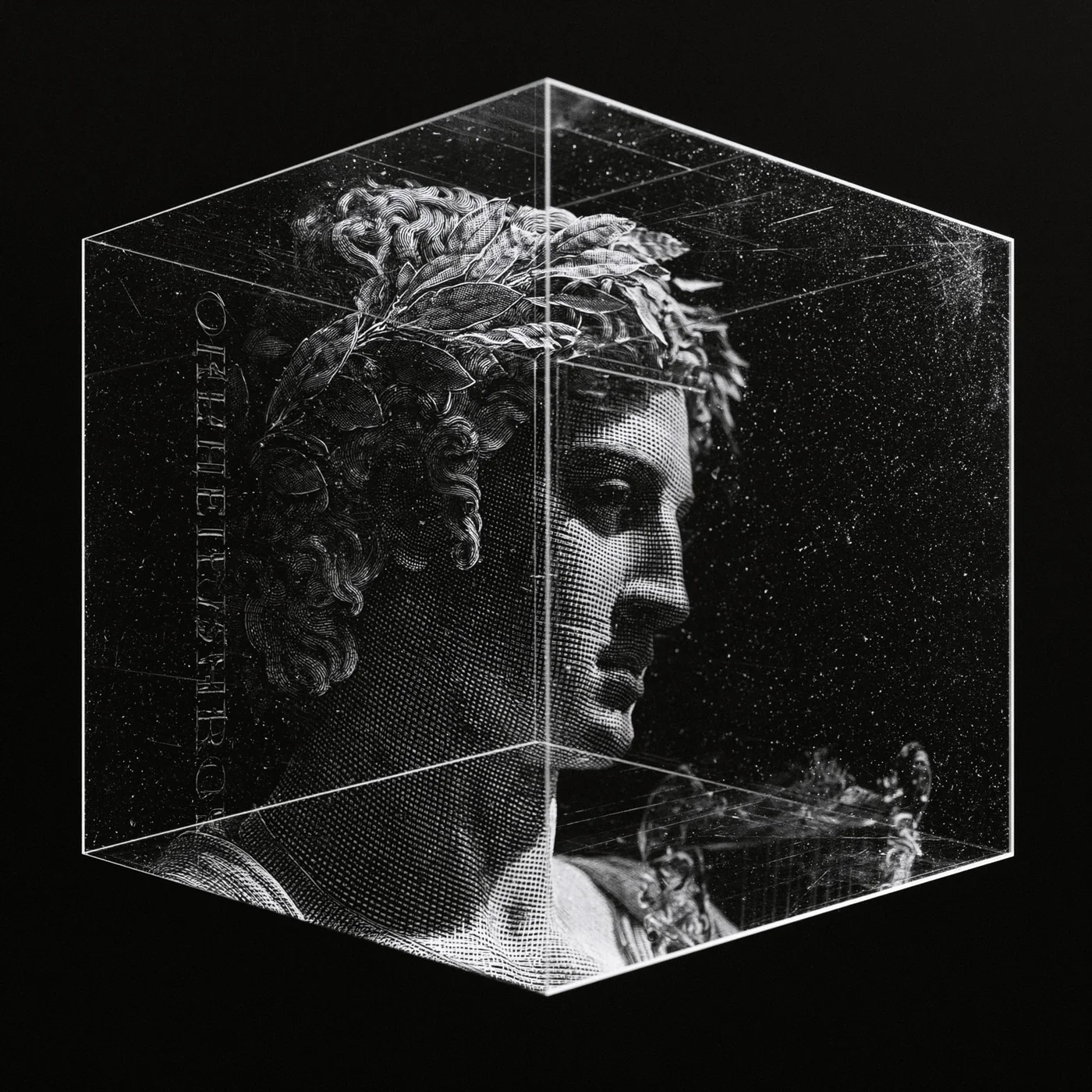
Today's AI answers one word at a time, and can never take a word back.
That is not a detail of how it is built. It is the ceiling.
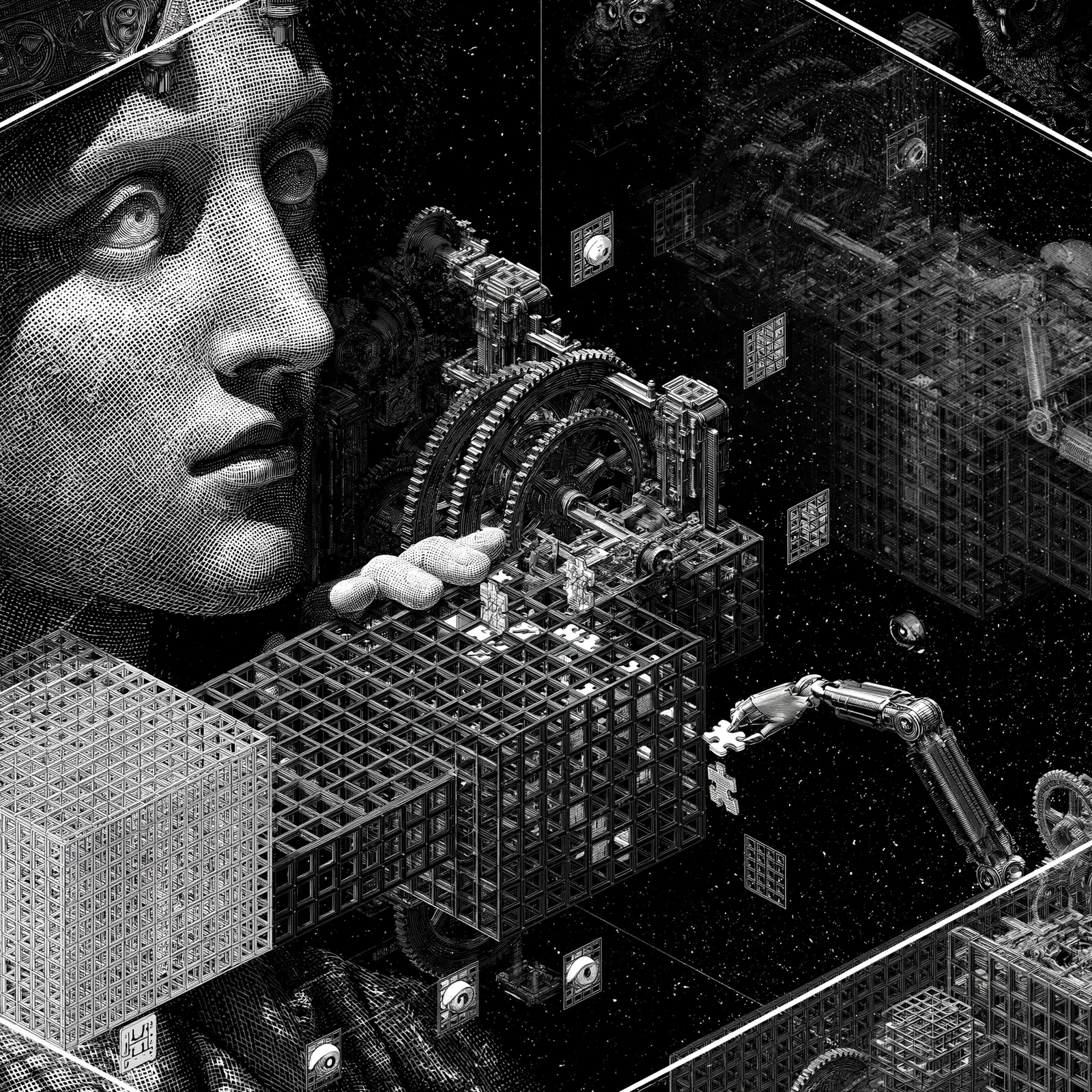
- It commits before it has looked. It writes the start of the answer before considering the end. A jigsaw glued down piece by piece, left to right, before seeing the picture. Weshow it the whole board, and let it fill in what it is sure of first.
- It cannot change its mind. Every word is final. The workarounds, writing the reasoning out loud and hoping or running it many times and picking a winner, all sit outside the model. Welet it take a piece back out. Confidence drops, it un-answers that part and tries again. Inside the model.
- It is trained to sound right, not to be right. Predicting the next word rewards fluency and recall. Nothing in training ever checks whether the reasoning worked. Wetrain on logic. Exactly right or nothing, with no credit for an answer that merely looks plausible.
- Size fixes none of the three. All three are about how it answers, not how big it is, which is why the industry keeps buying larger models and meeting the same wall. Wedid not buy size. We built the mechanism instead, and hold it to a benchmark whose answers are not on the internet.
The bet
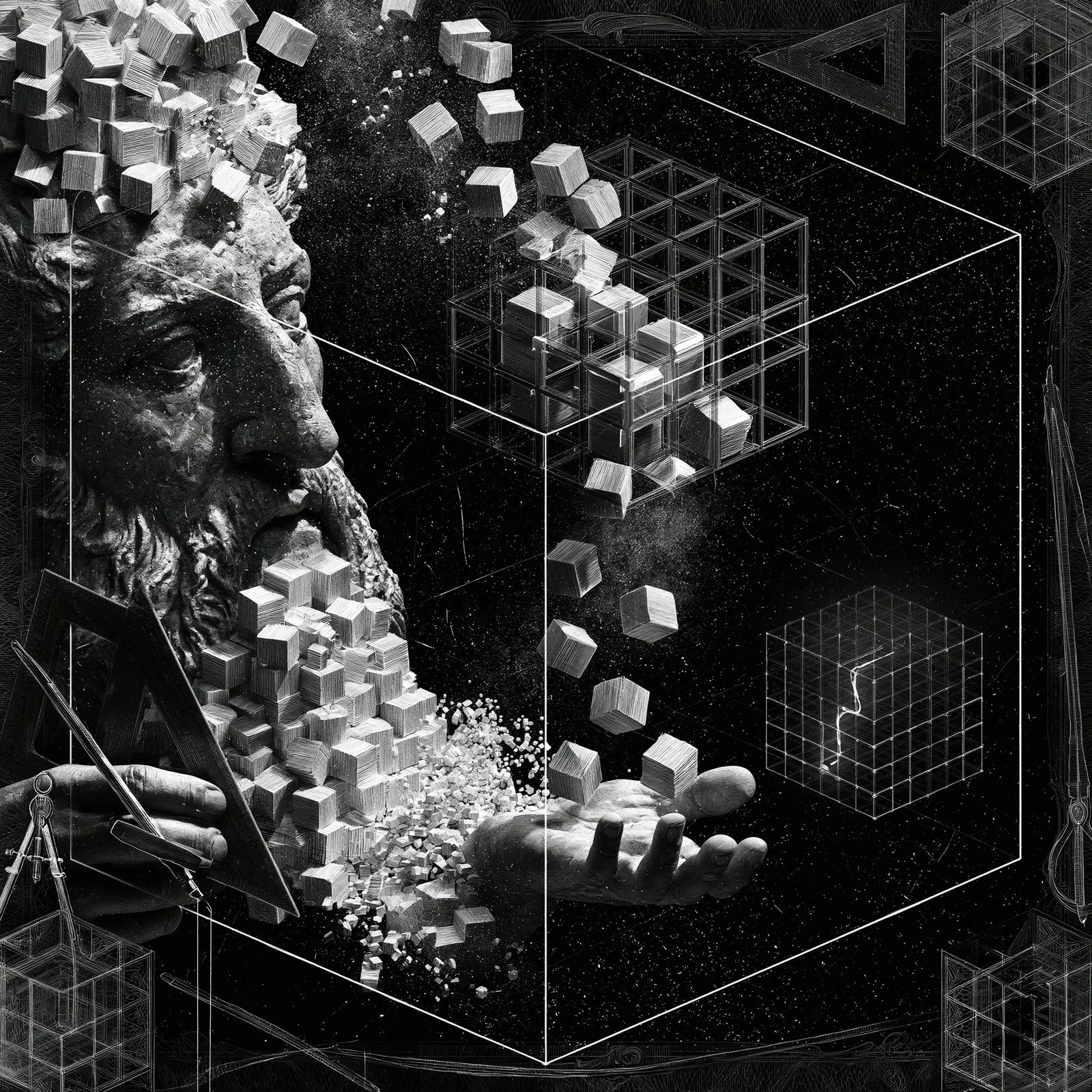
Scale is not what is missing.
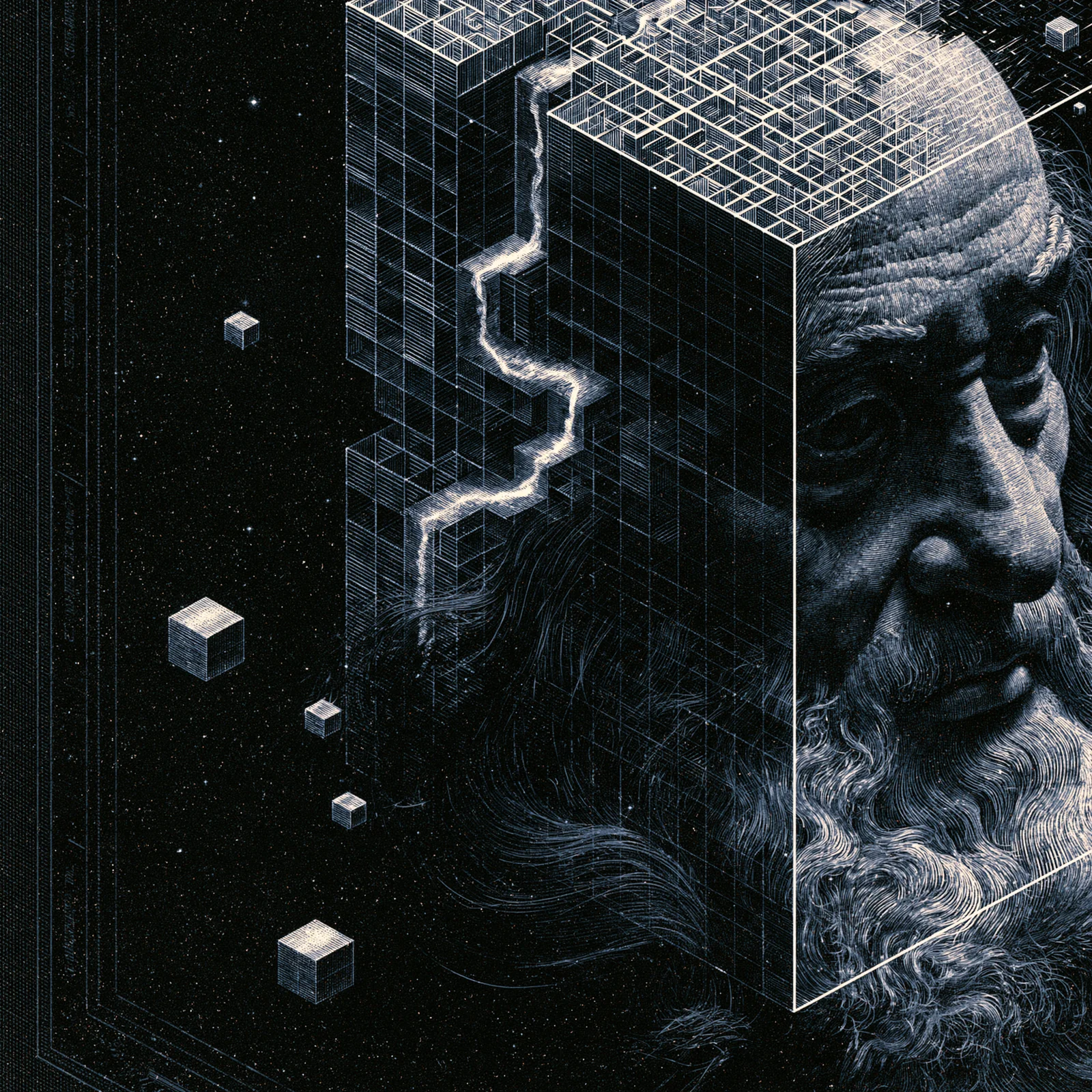
The insight is not that grids are images. It is that the cognitive process of solving one maps onto denoising: start uncertain, form a rough estimate, check it against the examples, refine where confidence is low, iterate. We built that instead of buying parameters.
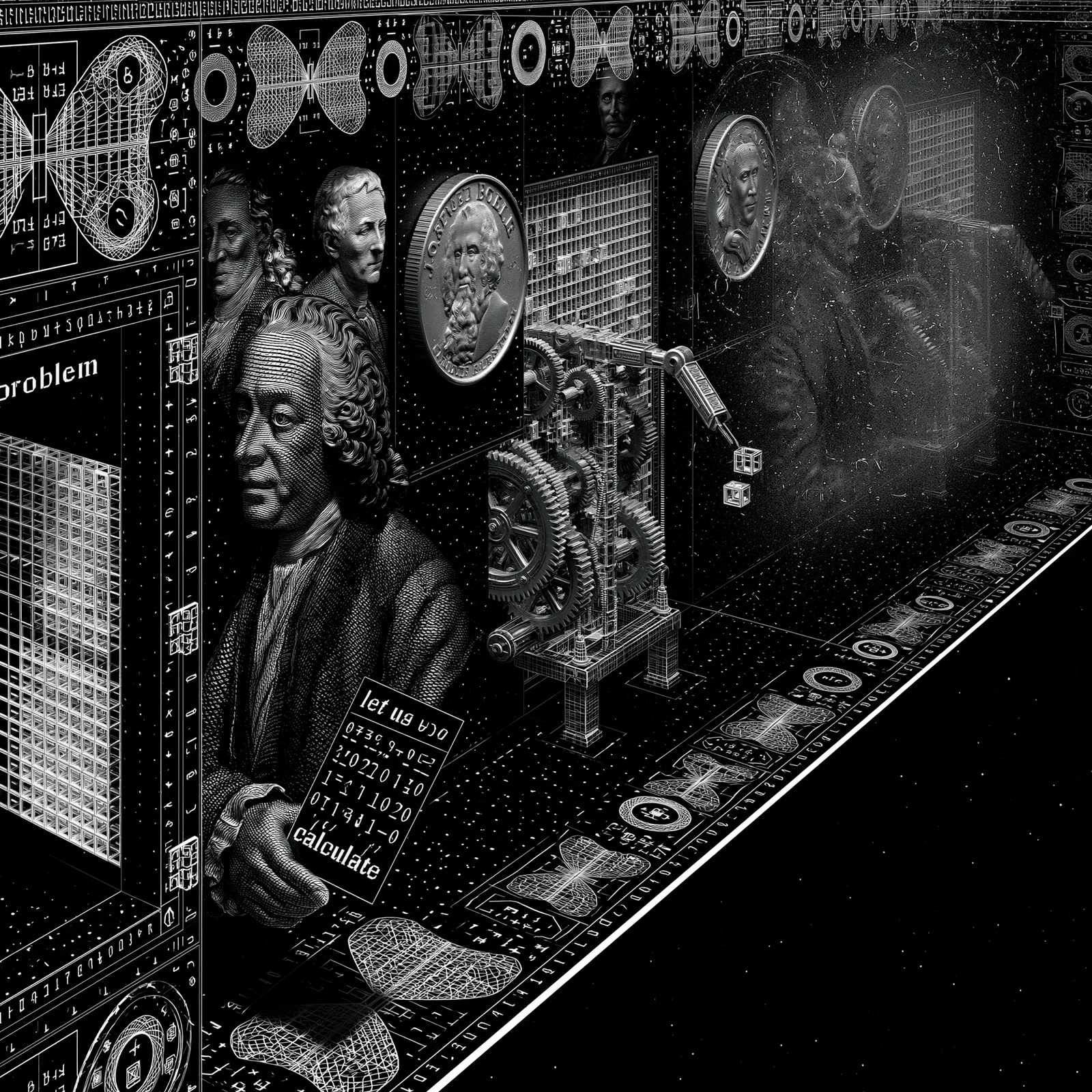
Everything here rests on arithmetic somebody else wrote down first.
Leibniz · Gauss · Fourier · Boole · Cooley–Tukey
What we build
Two models. One factory.

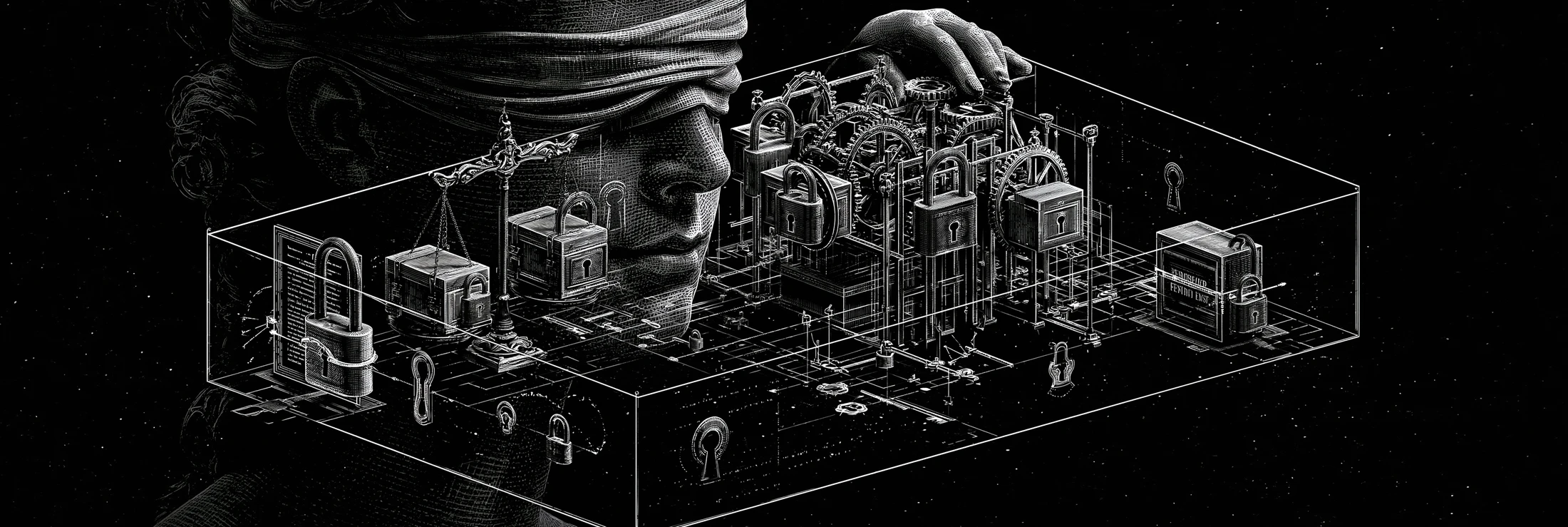
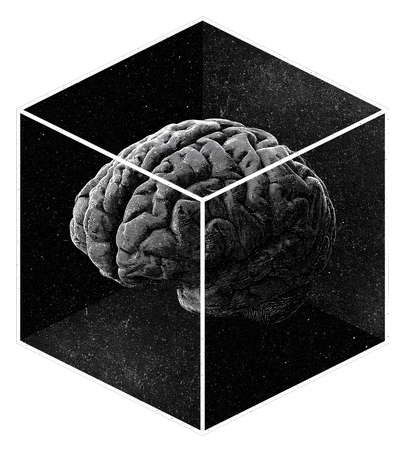
MOD-01 · S-1.5e FHE
Computes blind
It answers questions about data it never sees. The data stays encrypted the whole time the machine is working on it.
Fully homomorphic encryption. FP2 ternary weights reduce every linear layer to homomorphic additions, so a layer costs zero multiplicative depth. 128-bit RLWE.
Read the S-1.5e page ›
MOD-02 · S-1.5-mini
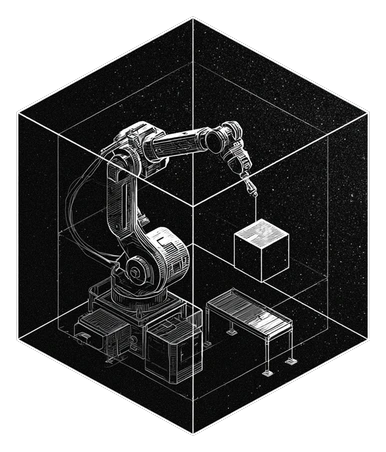
Reasons, rather than recalls
Built for the benchmark that cannot be memorised, on the bet that the answer is architecture rather than size. Not a chat model that happens to run locally.
4.97B pretrained from scratch, nobody else's weights, then trained by RL against exact-grid-match reward instead of next-token prediction.
Read the S-1.5-mini page ›
MOD-03 · AI Factory
Runs anything
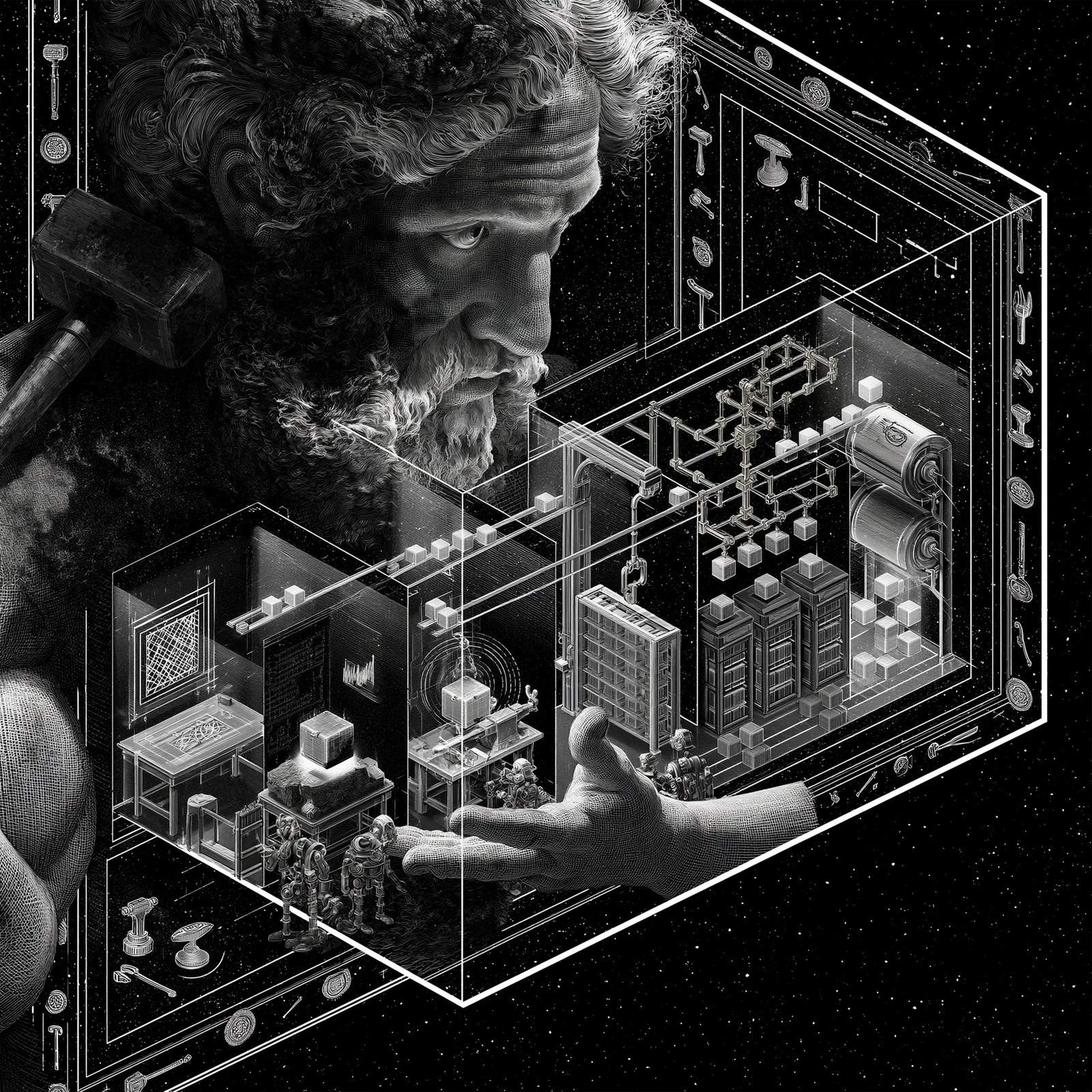
Point it at your machines. It finds them, pulls any model, and runs it safely with one administrator and no platform team.
Any registry, containerised and digest-pinned, executed in a kernel-enforced sandbox with a hash-chained record of every run.
Read the AI Factory page ›
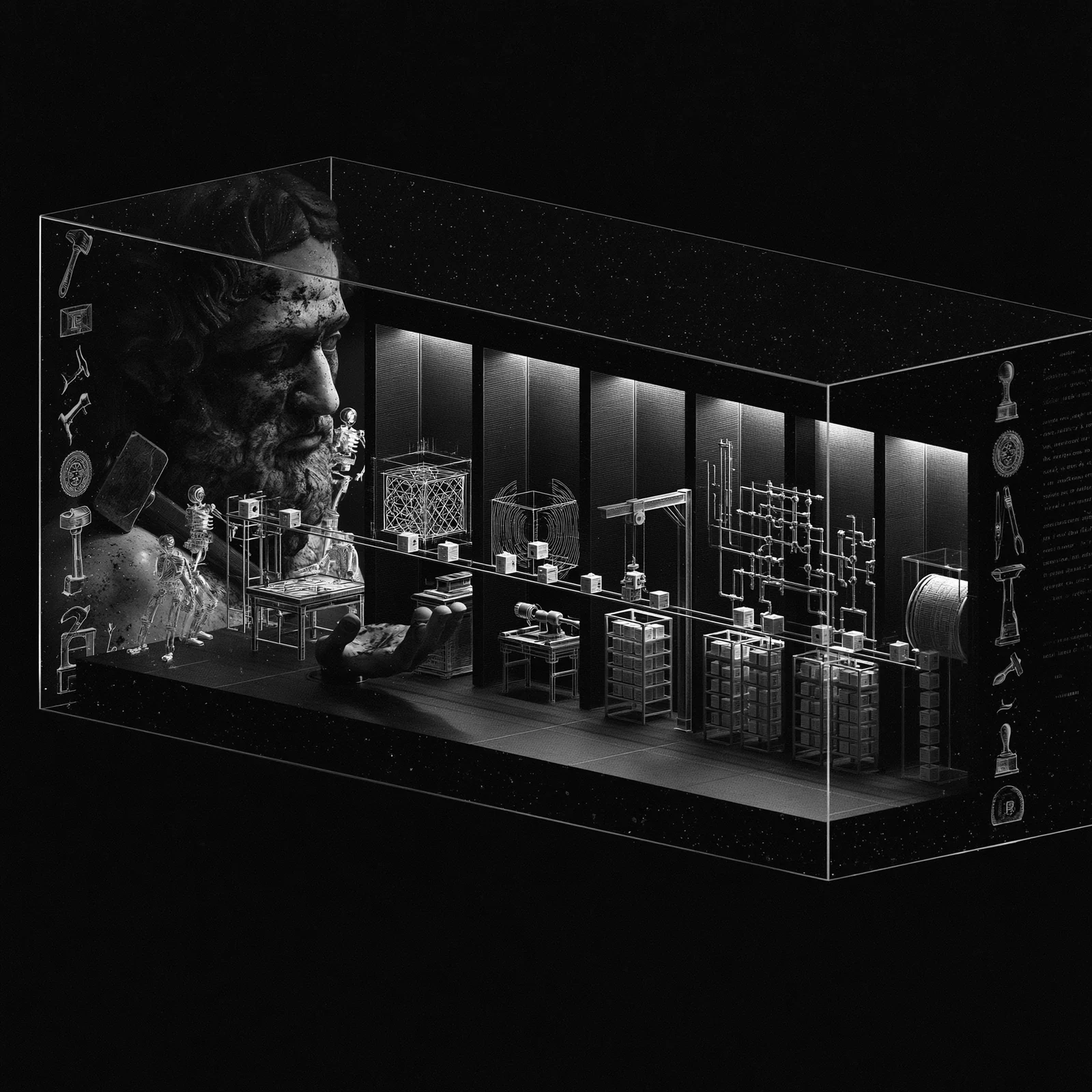
A pile of cubes is not a structure.
Scale accumulates · architecture assembles
Competition
Each of them owns a column. Nobody owns the row.
| System | Federated sources HF · NGC · Docker Hub GitHub · Kaggle |
Runtimes included | Automatic containerisation |
AI-guided design, build and deploy |
Ansible in and out graph or playbook | Visual node graph |
|---|---|---|---|---|---|---|
| Ollama | ✗ | ✗ | ✗ | ✗ | ✗ | ✗ |
| LM Studio | ✗ | ✗ | ✗ | ✗ | ✗ | ✗ |
| LangChain | ✗ | ✗ | ✗ | ✗ | ✗ | ✓ |
| OpenClaw | ✗ | ✗ | ✗ | ✓ | ✗ | ✗ |
| Red Hat OpenShift AI | ✓ | ✓ | ✓ | ✗ | ✗ | ✓ |
| Google Vertex AI | ✓ | ✓ | ✓ | ✗ | ✗ | ✓ |
| ENGRAM AI Factory | ✓ | ✓ | ✓ | ✓ | ✓ | ✓ |
Where it stands
Built, tested, enforced. Reported separately.
A module nothing calls guards nothing. We report the third column because it is the one a reviewer computes for themselves.
artefact, and it emits what it ran
and Kaggle. Weights become a container
/proc inside a running sandbox
production path, of those built
- Checkable, not asserted. Two commands put a reviewer inside a live sandbox and print all five isolation layers back from the kernel. Almost no claim of this shape can be checked at all; this one takes a minute.
- The engine writes the record, not the model. A result exists only where a measurement produced it. The model's own claim about how it did is discarded.
- What is not finished, said plainly. The nGDiT diffusion path is built and trained and gets 72 tasks past 80% cell accuracy without yet converting one to an exact match. The encrypted forward pass runs at layer scale, not yet at production depth. Both are compute problems with known shapes, and both are on the roadmap rather than in the claims.
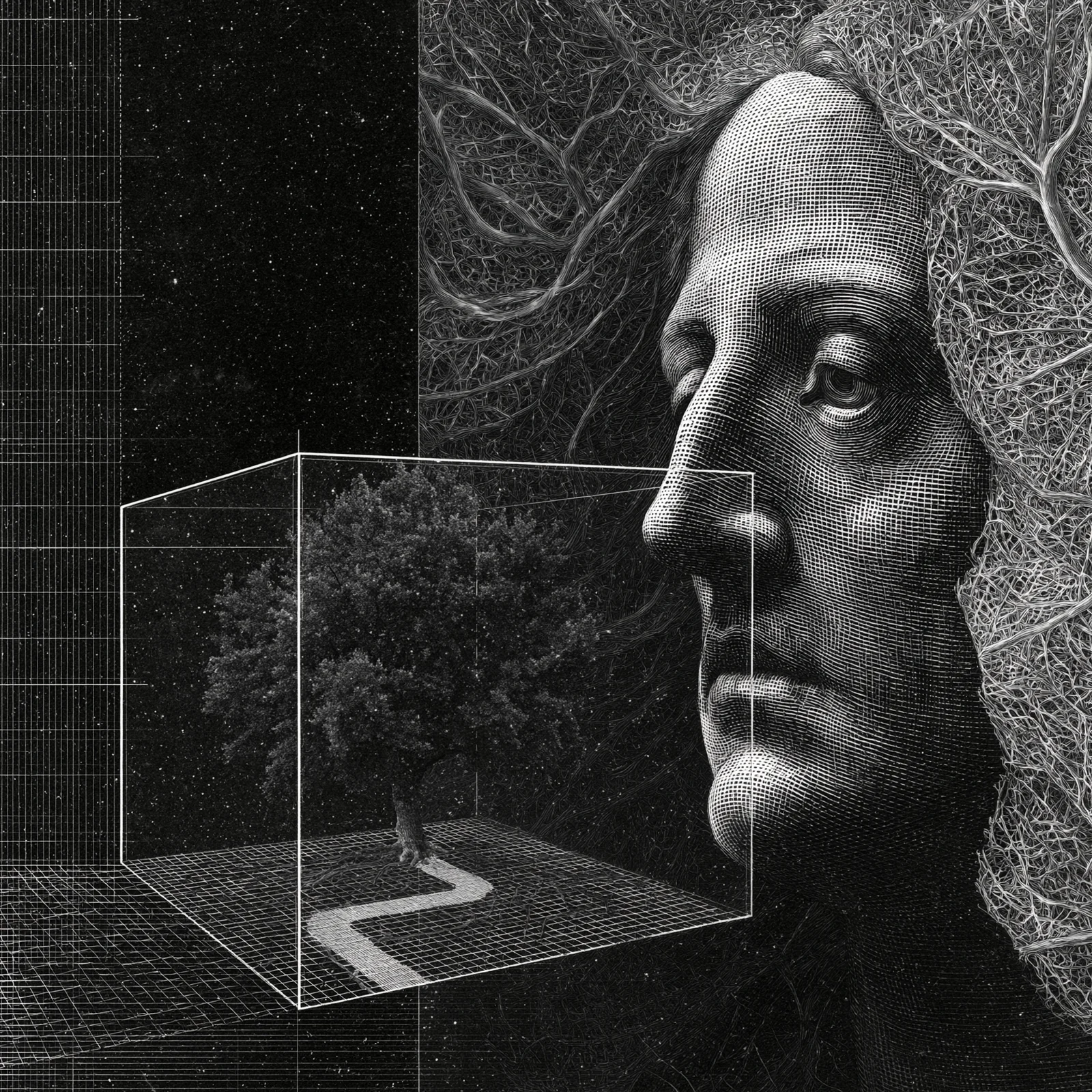
An engram is a trace left by having been used.
Memory, written into structure
The thesis
Intelligence that runs where it is needed, not where it is permitted.
That takes two things nobody has put together: a model whose capability comes from its architecture rather than from a data centre, and encryption whose cost does not grow with depth. We have working versions of both, and a factory that puts them on hardware the customer already owns.
Get in touch: vincent@engram.ae