Engram AI

Capability from architecture, not from parameter count. Two models that prove it, and the factory that puts them on hardware you already own.

Mission

We are building artificial general intelligence.

It is the stated goal of the two labs closest to it, and it is ours. We differ on the road, not the destination. They are scaling a predictor and waiting for generality to emerge; we are building the mechanism that produces it. And we differ on who gets to arrive.

WHATReasoning, not wider recall A system that can work a problem nobody trained it on, instead of retrieving the nearest thing it has already seen. We measure ourselves on the benchmark whose answers are not on the internet.
HOWThree mechanisms, designed in It revises, and can withdraw an answer it has stopped believing. It simulates, running a plan forward before committing to it. It is graded, trained against an answer that is exactly right or worth nothing.
WHEREGenerality has to travel An intelligence that exists only inside someone else's data centre is not general. Ours runs on hardware the user owns, on data nobody else, including us, is permitted to read.
MissionEngram AI L.L.C-FZ · Dubai01

The problem

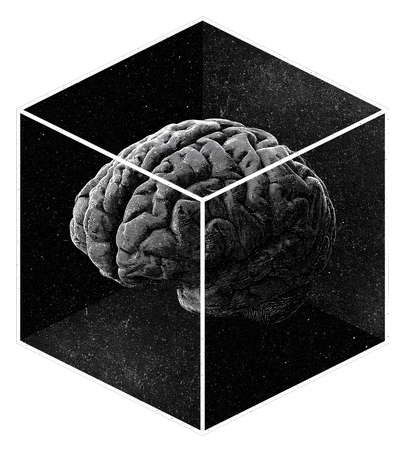
Today's AI answers one word at a time, and can never take a word back.

That is not a detail of how it is built. It is the ceiling.

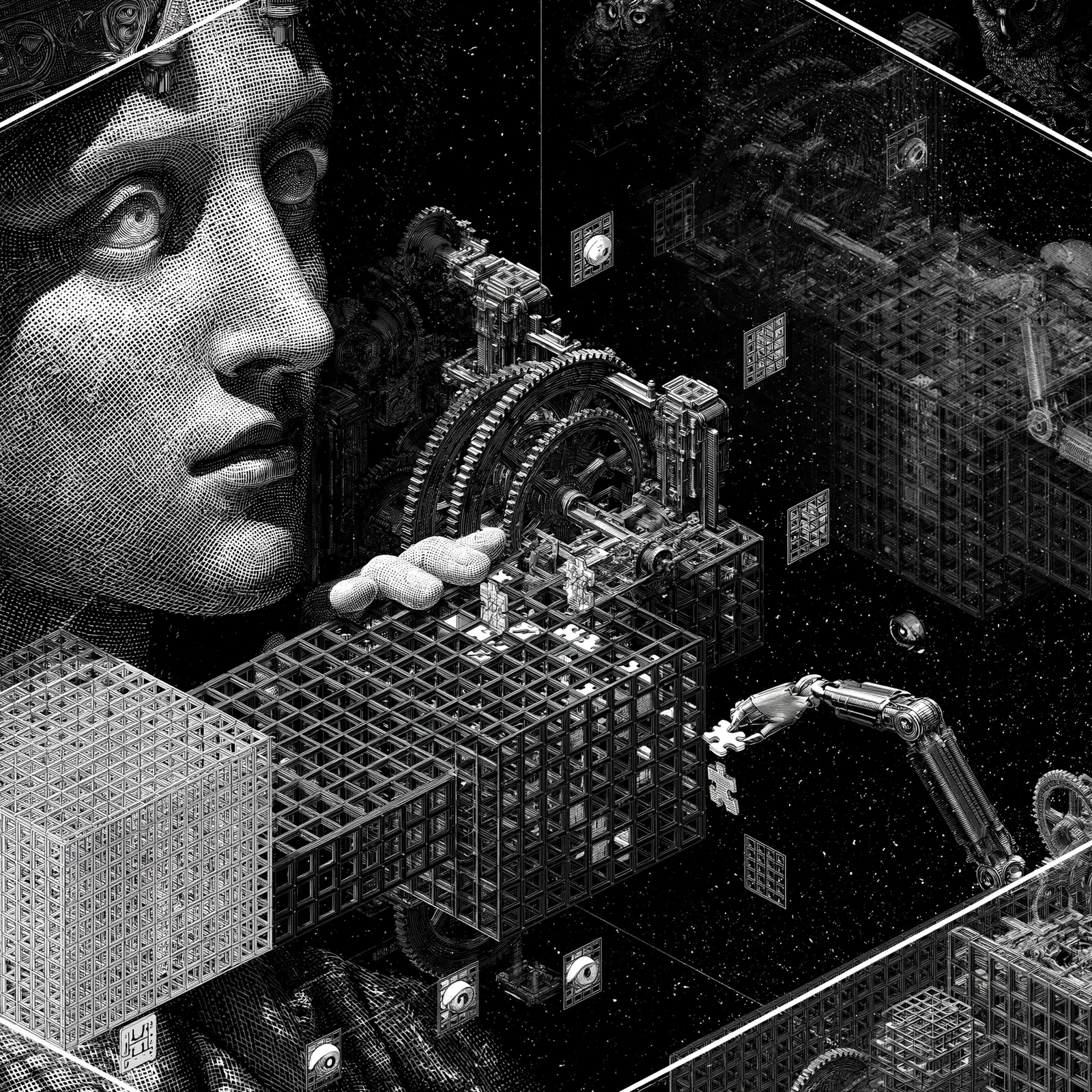
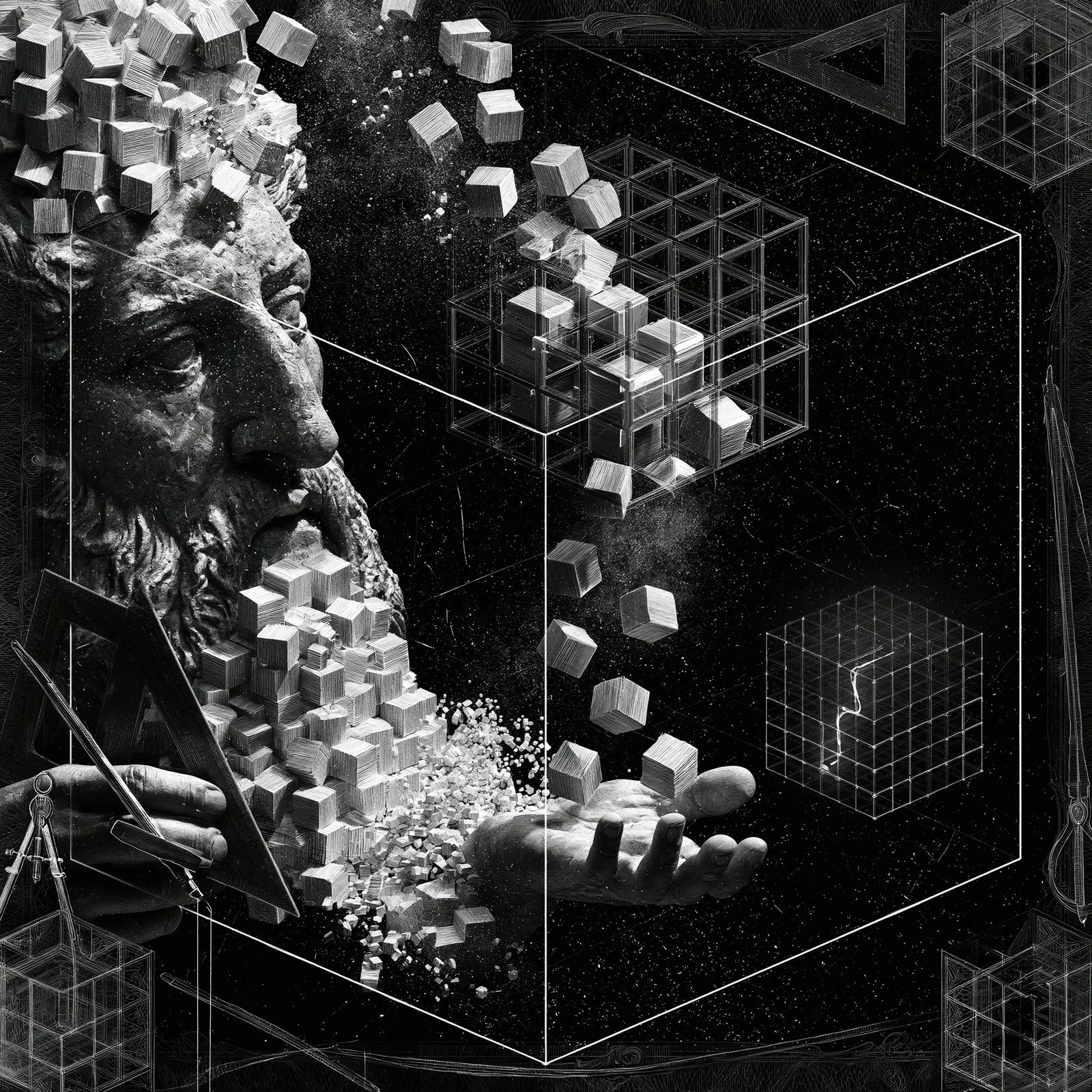
  • It commits before it has looked. It writes the start of the answer before considering the end. A jigsaw glued down piece by piece, left to right, before seeing the picture. Weshow it the whole board, and let it fill in what it is sure of first.
  • It cannot change its mind. Every word is final. The workarounds, writing the reasoning out loud and hoping or running it many times and picking a winner, all sit outside the model. Welet it take a piece back out. Confidence drops, it un-answers that part and tries again. Inside the model.
  • It is trained to sound right, not to be right. Predicting the next word rewards fluency and recall. Nothing in training ever checks whether the reasoning worked. Wetrain on logic. Exactly right or nothing, with no credit for an answer that merely looks plausible.
  • Size fixes none of the three. All three are about how it answers, not how big it is, which is why the industry keeps buying larger models and meeting the same wall. Wedid not buy size. We built the mechanism instead, and hold it to a benchmark whose answers are not on the internet.
The problemArchitecture, not capacity02

The bet

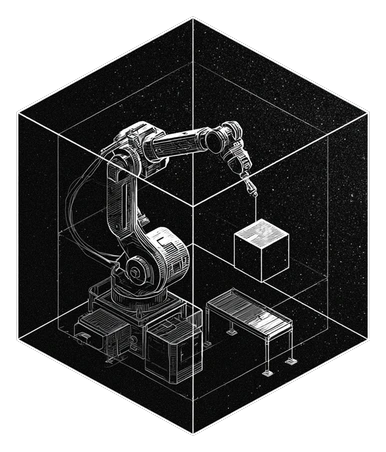
Scale is not what is missing.

The insight is not that grids are images. It is that the cognitive process of solving one maps onto denoising: start uncertain, form a rough estimate, check it against the examples, refine where confidence is low, iterate. We built that instead of buying parameters.
01Scale was measured. It does not pay. Twelve open models from 1.2B to 9.2B, one evaluation, one harness. Eleven scored zero exact matches; the best managed 2%. Across a 7× range in size, scale bought zero additional solves. The problem is architecture, not capacity.
02The world model costs nothing Simulation and generation are the same computation at different precision. Run the denoiser at 2–3 steps instead of 5 and you have an imagined rollout at zero added parameters, with no separate simulator to keep in sync.
03The denoiser is its own critic Confidence is intrinsic: the mean top probability across cells is the score. No critic network as in actor-critic, no learned value function as in MuZero. A plan that denoises cleanly is a good plan; one that comes back blurry is not.
The betTwelve models · one harness03

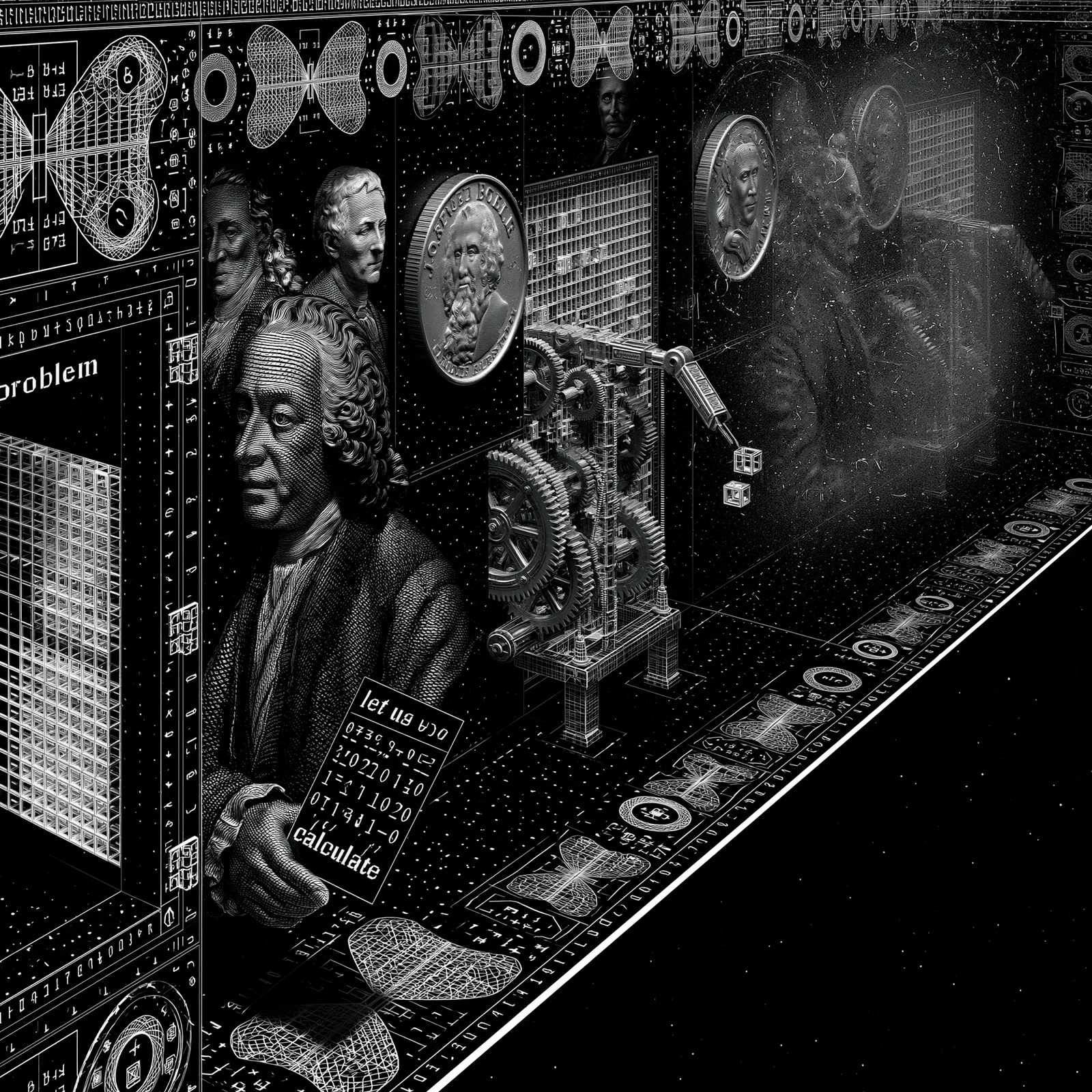
Everything here rests on arithmetic somebody else wrote down first.

Leibniz · Gauss · Fourier · Boole · Cooley–Tukey

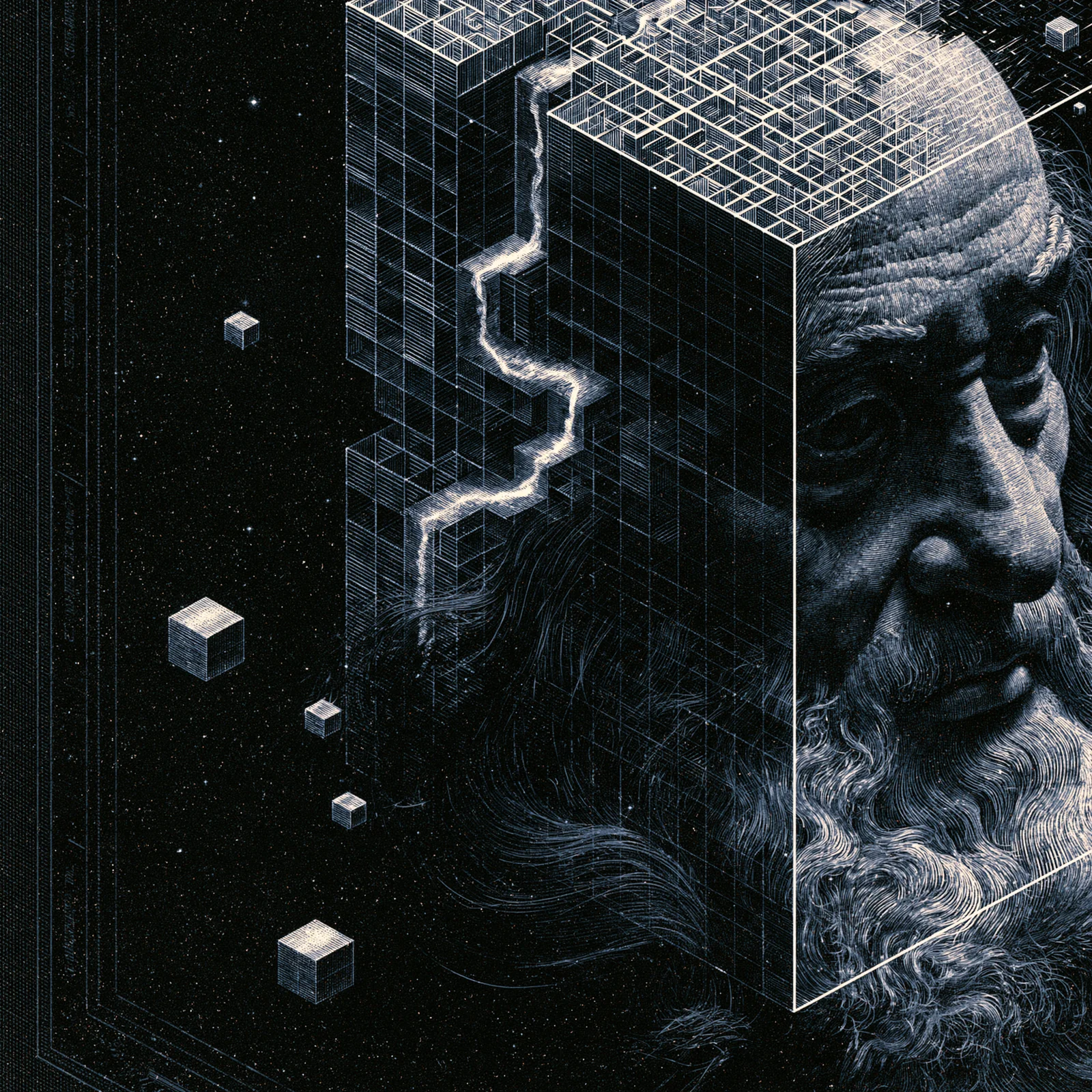
A pile of cubes is not a structure.

Scale accumulates · architecture assembles

Competition

Each of them owns a column. Nobody owns the row.

System Federated sources
HF · NGC · Docker Hub
GitHub · Kaggle
Runtimes
included
Automatic
containerisation
AI-guided design,
build and deploy
Ansible in and out
graph or playbook
Visual node
graph
Ollama
LM Studio
LangChain
OpenClaw
Red Hat OpenShift AI
Google Vertex AI
ENGRAM AI Factory
SourcesHugging Face, NVIDIA NGC, Docker Hub, GitHub and Kaggle searched in one pane. Pick a model and it drops onto the canvas, pinned by digest. A raw Hugging Face repo (weights, no container) is containerised automatically, matched to a runtime and wired to the rest of the graph. No Dockerfile, no serving code.
AnsibleBoth halves. It provisions the machines and containers, and the agentic workflow itself (pipeline steps, which model is called with what, the evaluation gates) is written as Ansible too. One artefact describes the AI and stands up the estate it runs on. Everyone else keeps those in two places.
RuntimesvLLM, Triton, TensorRT-LLM and a custom llama.cpp for the omni models stock runtimes will not carry. Engines the Factory drives, not systems it competes with.

Where it stands

Built, tested, enforced. Reported separately.

A module nothing calls guards nothing. We report the third column because it is the one a reviewer computes for themselves.

AnsibleOr the node graph. Two views of one
artefact, and it emits what it ran
5 sourcesHugging Face, NGC, Docker Hub, GitHub
and Kaggle. Weights become a container
5/5Isolation layers read back from
/proc inside a running sandbox
63 / 71Security controls enforced on a
production path, of those built
  • Checkable, not asserted. Two commands put a reviewer inside a live sandbox and print all five isolation layers back from the kernel. Almost no claim of this shape can be checked at all; this one takes a minute.
  • The engine writes the record, not the model. A result exists only where a measurement produced it. The model's own claim about how it did is discarded.
  • What is not finished, said plainly. The nGDiT diffusion path is built and trained and gets 72 tasks past 80% cell accuracy without yet converting one to an exact match. The encrypted forward pass runs at layer scale, not yet at production depth. Both are compute problems with known shapes, and both are on the roadmap rather than in the claims.

Where it standsBuilt / tested / enforced09

An engram is a trace left by having been used.

Memory, written into structure
The thesis

Intelligence that runs where it is needed, not where it is permitted.

That takes two things nobody has put together: a model whose capability comes from its architecture rather than from a data centre, and encryption whose cost does not grow with depth. We have working versions of both, and a factory that puts them on hardware the customer already owns.

Get in touch: vincent@engram.ae
‹ All products

Product 01 · S-1.5e FHE

Fully homomorphic encryption, made practical.

Almost every AI system in production needs your data in plaintext: every cloud API, every hosted model, every inference endpoint sees exactly what you send it. Confidential computing shrinks that exposure by anchoring trust in the silicon. Encryption removes the need to trust the host at all.

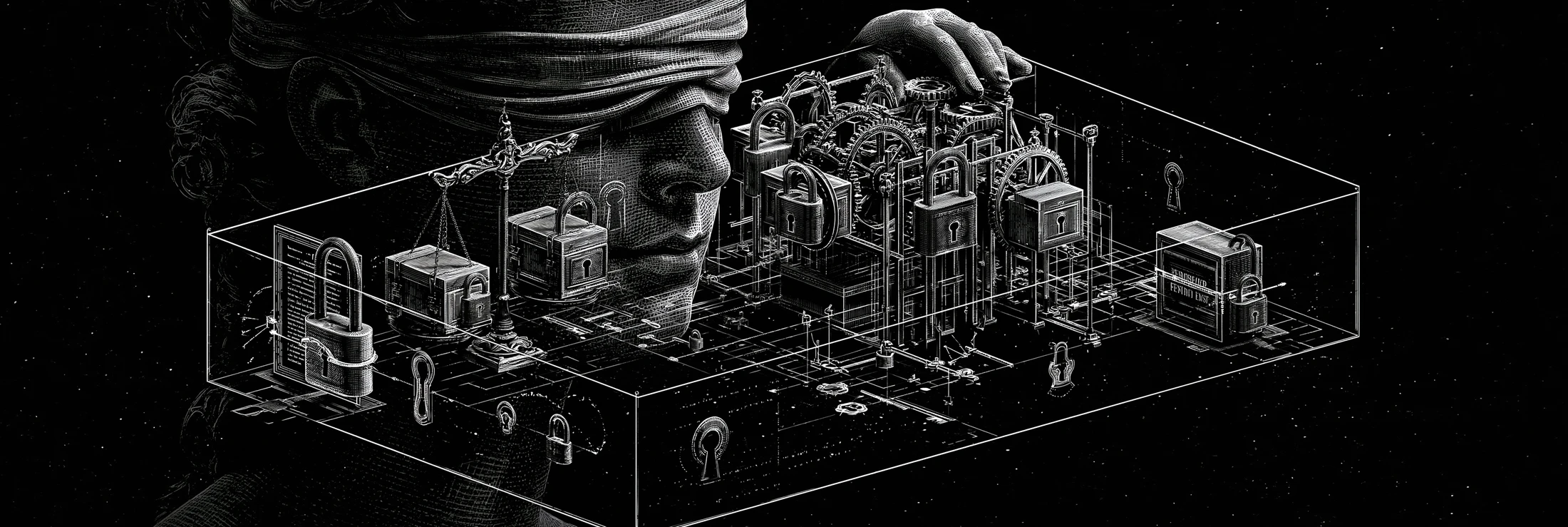
Justice, blindfolded, weighs what she cannot see. Encrypted in, computed under fully homomorphic encryption, encrypted out. The linear layers turn on zero ciphertext multiplications, so the server never opens the box; only the client's key does.

  • Additions only, no multiplications. Ternary weights in {−1, 0, +1} reduce a matmul to add / subtract / skip. Measured on a live layer: 154 homomorphic additions, zero multiplications.
  • Non-linearity stays inside the ciphertext. VectorFFN splits the hidden state into 80 isolated chunks, each through a TinyMLP whose activation is x²+x, a degree-2 polynomial CKKS evaluates natively.
  • 128-bit RLWE, unchanged. The scheme is not weakened to buy the speed.
  • Where it stands. Full FFN block computed under encryption, and an 8B model carried through all 32 layer boundaries. A complete encrypted forward pass at production depth is what the next compute buys.
S-1.5e FHEEncrypted inference05

The guarantee

The operator is not trusted. It is mathematically unable to read the work it is doing.

Compliance by mathematical guarantee rather than by policy. A policy is a promise that nobody looked. Encryption is the property that they could not.

0Ciphertext multiplications
in the linear layers
0.09%Mean error per layer
no task accuracy lost
8BModel carried through all 32
encrypted layer boundaries
128-bitRLWE, unmodified
security not traded for speed
S-1.5e FHEEncrypted inferenceMOD-01

Next

Evaluate it on your own machines.

Nothing here needs you to send us anything. If it is a fit, we install it on your hardware and you measure it yourself.

Get in touch The other two products
‹ All products

Product 02 · S-1.5-mini

Built on the bet, and held to it.

ARC-AGI measures whether a model can infer a rule from a few examples and apply it exactly, on tasks whose answers are nowhere on the internet. It is the hardest honest test of reasoning we know of, and it is the one we build against.

  • 4.97B, pretrained from scratch. A nanochat d32 backbone, not a fine-tune of anyone else's weights, trained by reinforcement learning against exact-grid-match reward.
  • Architecture, not capacity. Across the open field we measured, 1B to 9B bought zero additional exact matches. A result about scaling, independent of us.
  • 10.2 GB resident on a DGX Spark GB10, measured. The deployment property falls out of the design rather than being the design.
  • Our own score is withheld. An internal audit found our evaluation harness supplied the answer's grid dimensions to the decoder. That invalidates the number, so we pulled it. A clean unassisted re-run is the first thing the next compute buys.
S-1.5-miniLocal reasoning06

How it reasons

One small model, several things a big one cannot do at once.

Most models predict the next token and call it thinking. S-1.5-mini works the problem first, then answers. The components below are described as designed and in training, not as published benchmark results.

01Diffusion reasoning Sees the whole problem at once, forms a hypothesis and refines it. Reasons about structure rather than committing to a sequence one token at a time.
02Multi-mode routing A learned router selects between generation, diffusion, tree search and retrieval at inference time, rather than retraining the model into a specialism.
03Cognitive state vector An internal state modulates every computation. Confidence sharpens; uncertainty explores.
04Plans before it acts A learned model of the environment, so a candidate action can be rolled forward and judged in imagination rather than tried for real.
05Keeps what it solves A solved problem is decomposed into reusable pieces and kept, so the next problem starts further along instead of from scratch.
06Runs disconnected Built to run on hardware the customer owns, with no connectivity and no external API calls.
S-1.5-miniDesigned & in trainingMOD-02

Next

Evaluate it on your own machines.

Nothing here needs you to send us anything. If it is a fit, we install it on your hardware and you measure it yourself.

Get in touch The other two products
‹ All products

Product 03 · ENGRAM AI Factory

Design › Build › Test › Deploy › Orchestrate › Operate

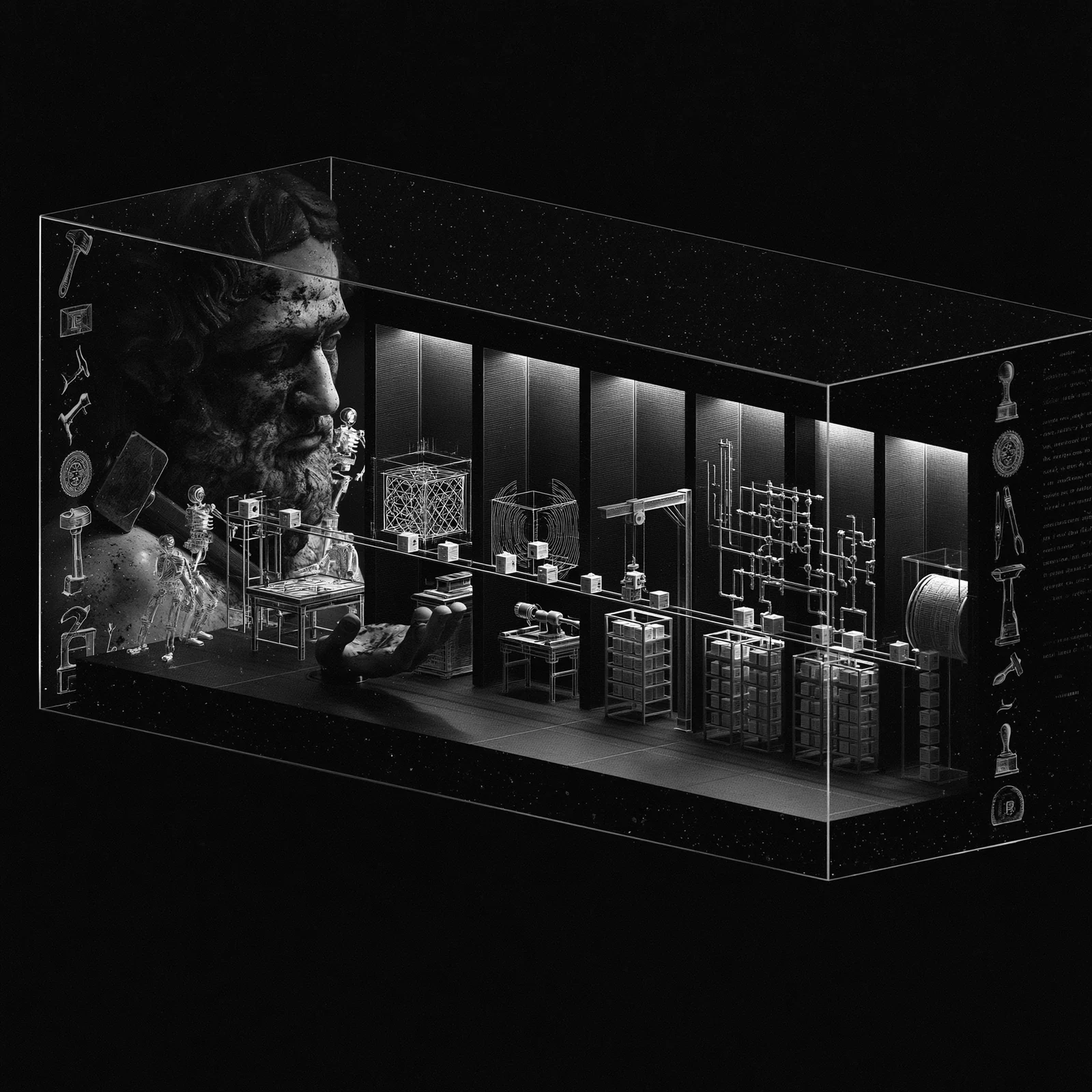
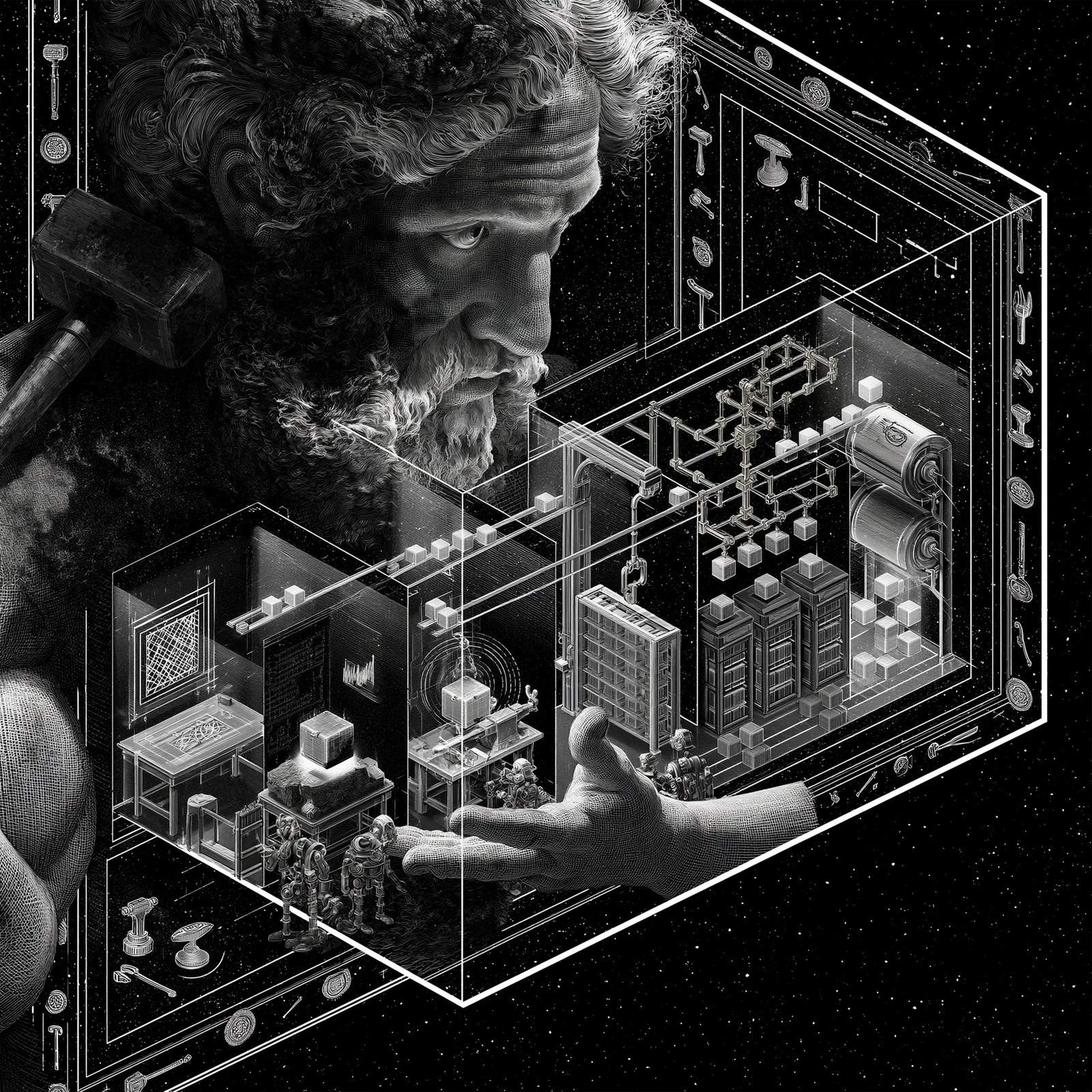
Six stages, one room the operator never leaves. Raw material enters; a measured, finished workload comes out, and every step in between happens under the same kernel-enforced walls. An AI operator authors declarations inside the cage. It never touches the runtime.

01Design Describe the job in plain English, or lay it out on the node graph. Five registries searched at once, and models drop straight onto the canvas. One sentence to a running pipeline in 13 seconds.
02Build Whatever is not a container becomes one, automatically. Runtimes ship with it and are pinned by digest: vLLM, Triton, TensorRT-LLM, and a custom llama.cpp for the omni models nothing else will carry.
03Test Every step runs inside a kernel-enforced sandbox before it touches the estate: namespaces, seccomp-bpf, capability drop, cgroup v2, default-deny above them.
04Deploy Ansible and the node graph are two views of one artefact. Author in either and the other follows. It covers both halves: the machines and containers underneath, and the agentic workflow on top.
05Orchestrate Finds the machines you own, joins them into a cluster with a peer admitted by approval in 17 seconds, and places work across mixed hardware. No Kubernetes. No platform team.
06Operate Every run leaves a hash-chained record: what ran, on which node, from which digest, and what came out. Written by the engine, never by the model.

Interface design · 4 × GB10 · sources pinned by digest · click to enlarge

ENGRAM AI FactoryDesign → Operate07

What it does

Point it at the machines you already own.

It turns any model from Hugging Face, NGC, Kaggle, Docker Hub or GitHub into a running, governed workload: plug-and-play runtimes, digest-pinned, served under kernel-enforced control. The capability was already on your floor.

01Finds your machines Reads what each one has, then nodes join by approval into one cluster, with its own network per environment.
02Lay it out, or ask for it Drag it together on the canvas, or tell the AI and it drafts the whole thing. Edit either way; both stay in sync.
03Containerises anything Whatever is not a container becomes one. Wired, tested, then shipped. A custom llama.cpp carries the omni models stock runtimes will not.
04Ansible for agents, not only servers Edit the YAML and the canvas moves. Move the canvas and the YAML rewrites itself. One artefact covers the machines underneath and the agentic workflow on top.
05The engine writes the record What ran, what it cost, what it produced, measured by the engine and never reported by the model, written to a hash-chained ledger.
AI FactoryDesign → OperateMOD-03

The boundary

Four kernel layers, and default-deny above them.

Not a prompt you hope holds. Each layer is read back from the kernel inside a running sandbox, never from a config file, so a reviewer can confirm all five in two commands.

L1Namespaces Its own view of processes, mounts, users and the network. Nothing outside the boundary is addressable from inside it.
L2Seccomp-bpf A syscall profile in which the dangerous calls are not refused, they are absent. There is no interface left to attack.
L3Capabilities No new privileges, read-only root, nothing to escalate into.
L4cgroup v2 CPU, memory and process count capped, so a runaway agent starves itself rather than the machine.
L5Default-deny policy Every verb passes a policy engine that refuses unless a rule permits. Absence of a rule is a refusal, not an allowance.
The boundaryMeasured from /proc, live08

Next

Evaluate it on your own machines.

Nothing here needs you to send us anything. If it is a fit, we install it on your hardware and you measure it yourself.

Get in touch The other two products
‹ Home

Team

Small, technical, and already running.

Engram AI is built in Dubai. The control plane, the security architecture, the encryption engine and both models were designed as one system rather than assembled from parts. That is why they fit together rather than integrate.

  • S-1.5e FHE. A ternary model built for inference under fully homomorphic encryption. The server computes on data it cannot read, and only the client’s key opens the result.
  • S-1.5-mini. A 4.97B reasoning model trained from scratch against an exact-match reward rather than next-token prediction, for abstract reasoning where scale scores zero.
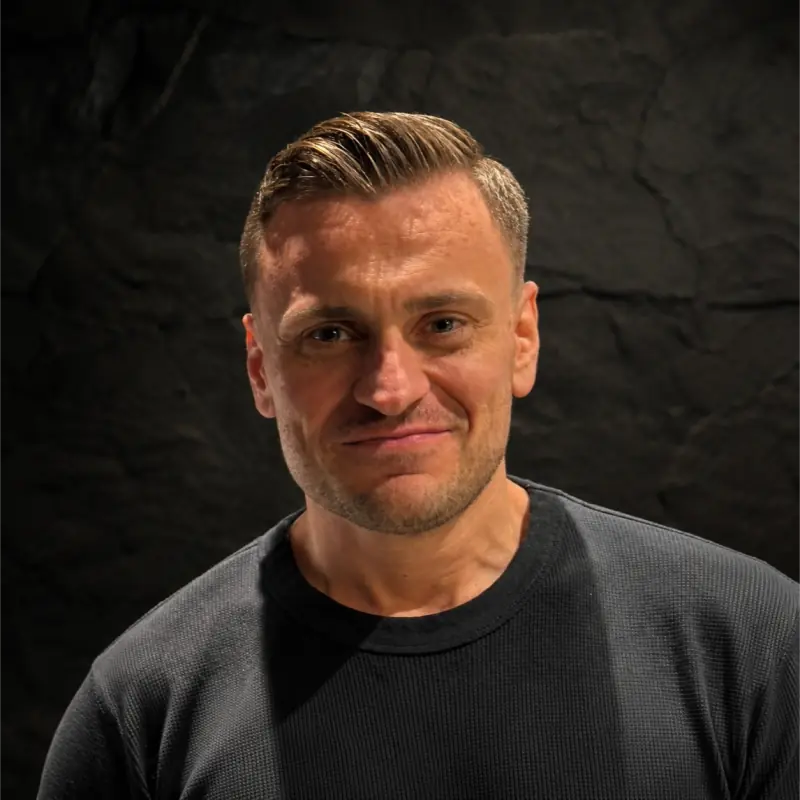
Vincent Kaufmann

Vincent Kaufmann

Founder & CEO
Engram AI L.L.C-FZ · Dubai, UAE

Architect and builder of the whole platform: the control plane, the security architecture, the FHE engine, and the two models. Based in Dubai.

  • The encryption engine. A full feed-forward block computed under fully homomorphic encryption, and an 8B model carried through all 32 layer boundaries.
  • The platform. Design, build, test, deploy, orchestrate, operate. 63 controls enforced, and 5 of 5 sandbox layers read back from the kernel rather than asserted from a config file.
  • The cluster. Four DGX Spark GB10 nodes over ConnectX, running the platform today.

Hiring soon. Engineering roles across AI, cryptography and forward deployment.

FDEIn stealth Forward deployed software engineer. Delivery and hardening on customer estates: the person in the room when the product meets someone else’s hardware.
BOARDIn stealth Advisor and investor. Advisory role covering company strategy and vision.
TeamDubai08